Comparative Analysis of HICLOVER Waste Incinerators: Technical Standards and Global Deployment
Technical Foundations of Modern Waste Incineration
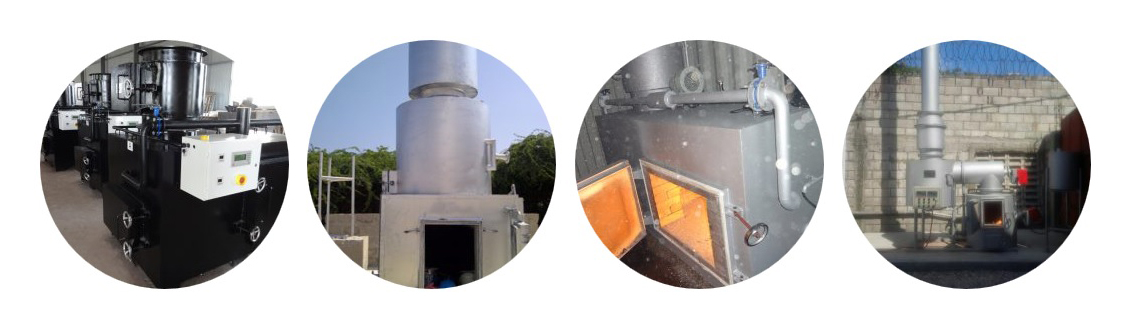
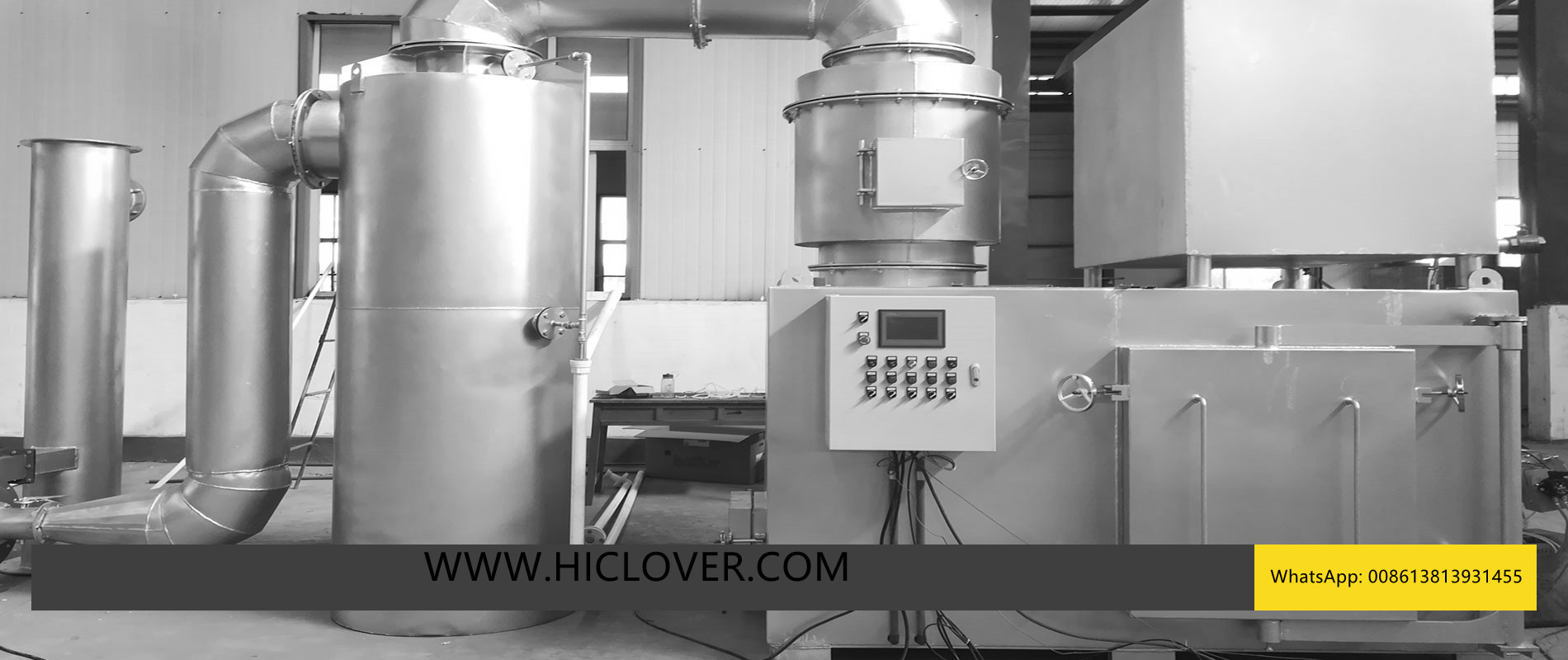
Modern waste incinerators must adhere to stringent thermal and emissions standards, with primary combustion chambers typically operating at 850–1,100°C and secondary chambers maintaining 1,000–1,200°C for complete pathogen destruction. HICLOVER incinerator for animal carcasses exemplifies this engineering rigor, featuring dual-chamber designs with PLC-controlled temperature regulation. These systems align with WHO guidelines and EU Directive 2000/76/EC on waste incineration, critical for government agencies evaluating Gambia hazardous waste incinerators in china or Tunisia incinerator+china procurement.
The integration of multi-stage scrubbing systems—whether dry (lime-based) or wet (chemical spray)—ensures particulate matter and acidic gas emissions remain below 10mg/Nm³. For remote applications like humanitarian camps or mining sites, containerized mobile incinerators with plug-and-play functionality demonstrate superior adaptability compared to fixed installations. HICLOVER’s engineering documentation details how their modular units achieve 6-8 hours of autonomous operation with LPG, diesel, or natural gas fuel flexibility.
Emissions Control Technologies
Advanced incineration systems employ sequential pollution control:
- Primary chamber: Starved-air combustion reduces NOx formation
- Secondary chamber: Excess air injection ensures 2-second residence time at ≥1,100°C
- Tertiary treatment: Choice of dry adsorption or wet scrubbing for acid gas neutralization
Operational and Commercial Considerations
When evaluating Morocco pet cremation equipment prices or municipal waste solutions, decision-makers must weigh:
| Parameter | Fixed Incinerators | Containerized Units |
|---|---|---|
| Deployment Time | 6-12 months (civil works required) | 72 hours (pre-assembled) |
| Emissions Compliance | Can integrate complex scrubbers | Modular wet/dry scrubber options |
| Fuel Flexibility | Typically single-fuel | Multi-fuel burner systems |
For crisis response scenarios, mobile units with PLC automation demonstrate clear advantages. A temperature standards search reveals HICLOVER’s compliance with both WHO and EPA thresholds for infectious waste treatment—critical when specifying equipment for epidemic containment.
Global Supply Chain and Customization
As a china incinerator manufacturer with 16 years of export experience, HICLOVER addresses three key transactional factors:
- Factory direct supply eliminates trading company markups, particularly relevant for manufacturer of hazardous waste incinerator in china procurement
- Chamber volumes customizable from 50kg/hr to 1,000kg/hr capacity
- Integrated heat recovery options convert 30-40% of thermal energy into usable hot water or steam
The company’s ISO 9001-certified production facility enables rapid adaptation to regional requirements, whether for incinerator china manufacturer specifications in North Africa or Southeast Asia. This capability proves vital for ESG-compliant waste management in decentralized settings.
Technology Integration Trends
Modern incinerators increasingly incorporate:
- IoT-enabled remote monitoring for emission tracking
- Automated ash removal systems reducing operator exposure
- Hybrid scrubber designs combining dry/wet technologies
These innovations position waste incinerators as sustainable solutions amidst growing carbon reduction pressures, particularly for animal byproduct disposal in agricultural regions.